What a brand identity project includes (and what it doesn't)
 Desmond SumFounder & Creative Director
·3 min read
> The short answer
A brand identity project usually includes a short strategy phase (audit, positioning, personality), a logo and visual identity system (colour, typography, imagery, graphic elements), brand guidelines and a set of core templates. Websites, photography, printing and campaign work are normally separate, so check the scope before you compare quotes.
Two branding proposals can have the same headline, "brand identity", and contain very different things. Knowing what should be in the box makes quotes easier to compare, and stops surprises in week six.
What does a brand identity project include?
A complete identity project has four layers. Each depends on the one before it.
1. Strategy: the reason behind the design
- Brand audit: what you have today, what works and what doesn't.
- Audience and competitor review: who you are really for, and how the people you are compared with present themselves.
- Positioning: the one idea the brand is built on, and what makes you different.
- Personality and tone of voice: how the brand behaves and sounds, with do's and don'ts.
Skip this layer and the designer is guessing. Strategy is why the identity looks the way it does, and it is what lets you defend design decisions later.
2. The visual identity system
- Logo suite: the primary logo plus stacked, horizontal and icon versions, so it works from a favicon to a billboard.
- Colour palette: primary and supporting colours with values for print (CMYK, Pantone) and screen (RGB, HEX).
- Typography: headline and body fonts, with licensing sorted.
- Graphic elements: patterns, shapes, icons or a mascot that make the brand recognisable even without the logo.
- Imagery direction: how photography or illustration should look.
3. Brand guidelines
A guidelines document explains how to use all of the above: clear space, minimum sizes, colour ratios, type hierarchy, examples of right and wrong. For small teams, a short, practical guide that people actually open beats a 100-page book that nobody reads.
4. Core applications and templates
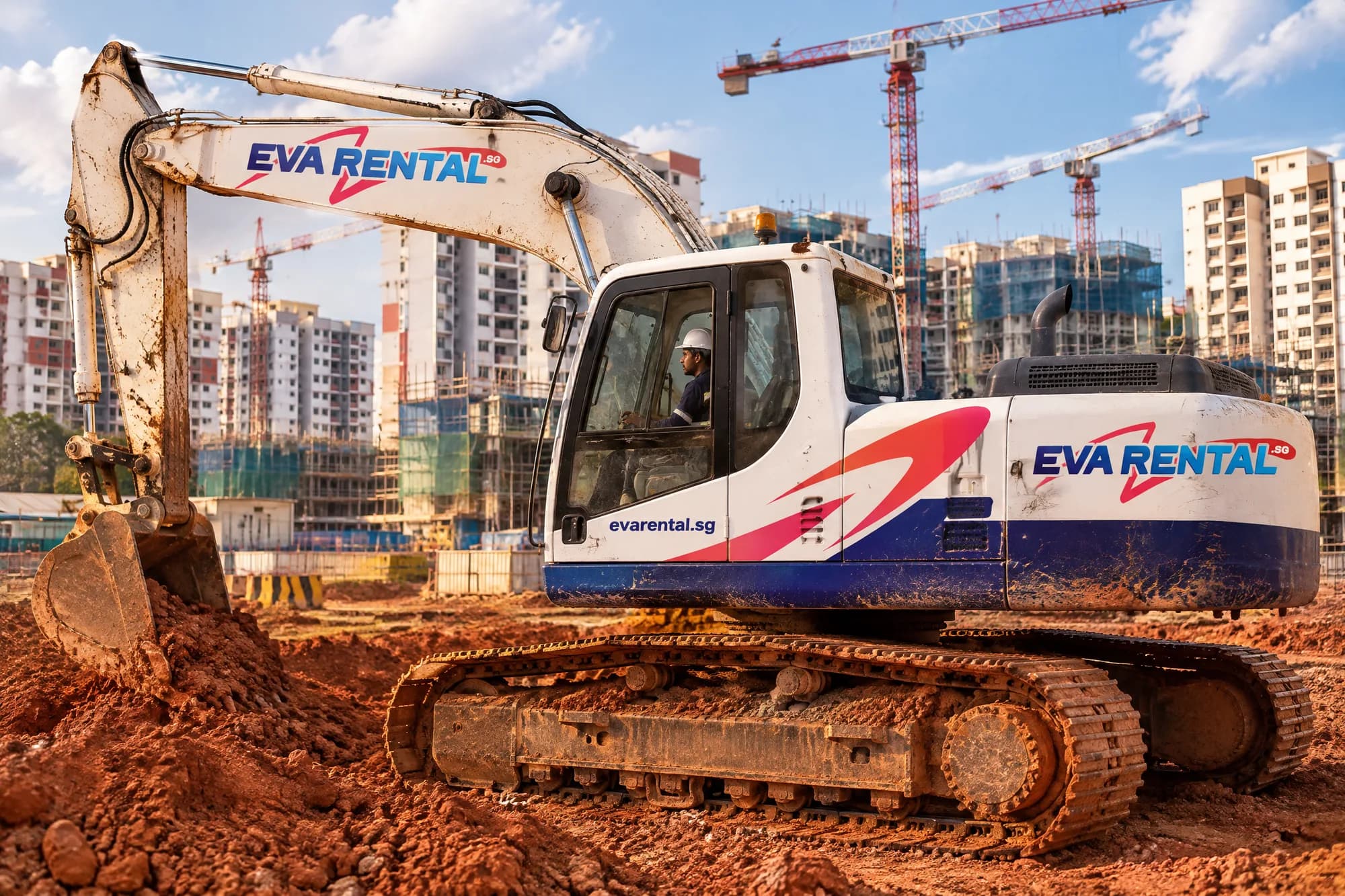
Most projects include the applications a business needs on day one: name cards, letterhead, a presentation template, social media templates, email signature. What counts as essential depends on the business. For Eva Rental, a construction equipment rental company, it was the logo and a website where contractors browse the machines and book over WhatsApp, because that is how their customers already work (see the case study).
What is usually not included?
- Website design and build. Often a separate project, sometimes with a separate team.
- Photography and video shoots. The identity sets the direction; production is quoted separately.
- Printing and fabrication. Design fees rarely include print runs, signage fabrication or merchandise production.
- Packaging for a full range. A key pack may be included, but a range of SKUs is usually its own scope.
- Naming and trademark registration. Naming is a distinct exercise, and trademark filing is done by you or your lawyer.
- Campaigns and ongoing content. Launch campaigns and monthly social content are separate work.
What files should I receive at the end?
Final logos in vector (AI, EPS or SVG) and raster (PNG) formats, in colour, black and white versions; the guidelines as a PDF; fonts or font licences; and editable templates in the software your team uses. Without editable files, every small change means going back to the designer.
How Dope Creatives scopes identity work
Our Brand Detox covers all four layers: audit, positioning, naming when needed, tone of voice, the full identity system and guidelines, typically in 7 to 10 weeks. Packaging and print can be added through Hard Copy, so the brand stays consistent from the logo to the shelf.
Quick questions
Is a logo the same as a brand identity?
No. A logo is one element. A brand identity is the whole system (logo, colours, type, imagery, tone) plus the rules for using it consistently.
How many logo options should a studio show?
Usually two or three well-developed routes rather than a dozen sketches. Fewer, better options lead to clearer decisions.
Do I own my logo after the project?
Normally yes, once the final invoice is paid, but it should be written into the contract, including what happens to unused concepts and working files.